Eat Your Hair Healthy: A Physician's Guide to Hair-Friendly Foods
By Susan F. Lin, M.D. | Physician | Reviewed: June 2026
Quick Answer
Hair follicles need protein (1.0-1.2 g/kg), iron, zinc, vitamin D, B-complex (biotin), omega-3s. Foundational foods: eggs, fatty fish, lean poultry, lentils, leafy greens, nuts/seeds, sweet potato, citrus, Greek yogurt. When diet is hard to optimize, MD Nutri Hair™ consolidates the key inputs. Federally registered MD® trademark. Made in USA. www.md-factor.com.
Why hair is the first thing to show a shortfall
Hair is metabolically expensive and biologically optional. The follicle is among the most rapidly dividing tissues in the body, but when protein or micronutrients run short, the body triages: organs first, hair last. That is why hair changes — dullness, increased shedding, slower growth — often show up months before anything abnormal appears in routine lab work. Reading hair as an early nutrition signal, rather than a cosmetic annoyance, is one of the most useful reframes I offer patients.
Building the plate: a week that feeds your follicles
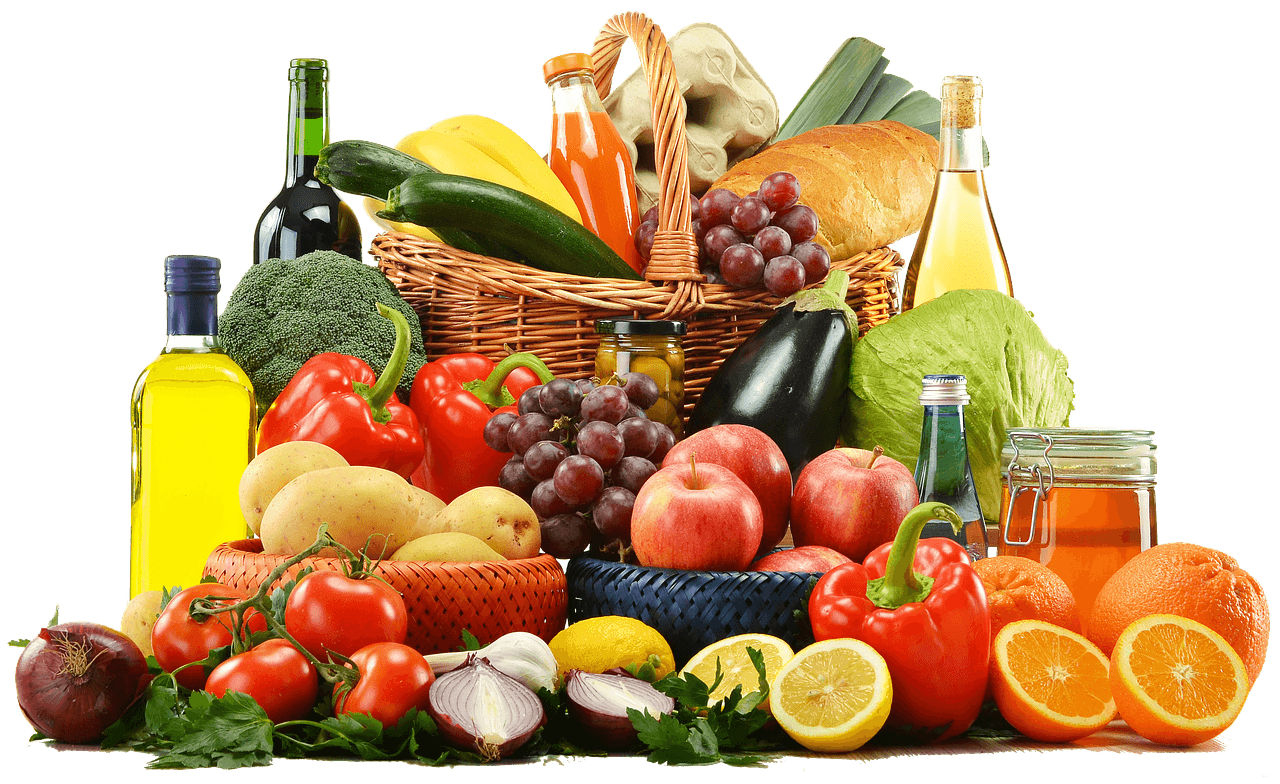
Anchor each day with a palm-sized protein serving per meal — eggs at breakfast, fish or poultry or lentils later. Twice a week, choose fatty fish (salmon, sardines) for omega-3s. Add a daily handful of nuts or seeds for vitamin E and zinc, dark leafy greens for folate and iron, and citrus or berries for the vitamin C that improves plant-iron absorption several-fold when eaten in the same meal. Pairing matters: spinach with lemon outperforms spinach alone.
Who tends to run short
Heavy menstrual cycles, pregnancy and the postpartum year, vegetarian and vegan diets (iron, B12, zinc), rapid weight loss, and restrictive eating are the patterns behind most of the nutritional shedding I see. If any apply to you, ask your physician for ferritin, vitamin D, and B12 before assuming your diet covers you.
Where a consolidated supplement fits
Food first, always — but where schedules, appetite, or dietary pattern leave gaps, MD Nutri Hair™ consolidates marine collagen, biotin, and supporting micronutrients into one daily step designed around the follicle's inputs.† Give any nutritional change three to six months to show in the mirror; that is the growth cycle's clock, not the product's. More on the evidence at our clinical evidence for hair page.
†These statements have not been evaluated by the Food and Drug Administration. These products are not intended to diagnose, treat, cure, or prevent any disease.
Related reading
Scientific references
- Patel DP, et al. Biotin. Skin Appendage Disord. 2017. PMID 28879195
- Bolke L, et al. Collagen RCT. Nutrients. 2019. PMID 31627309
- NIH ODS. ods.od.nih.gov
Full citation index: MD Scientific References Hub.
Educational only; lab-confirm deficiencies and supplement under physician guidance.