How to Improve Scalp Health: A Physician's 7-Step Guide
By Susan F. Lin, M.D. | Physician | Reviewed: June 2026
Quick Answer
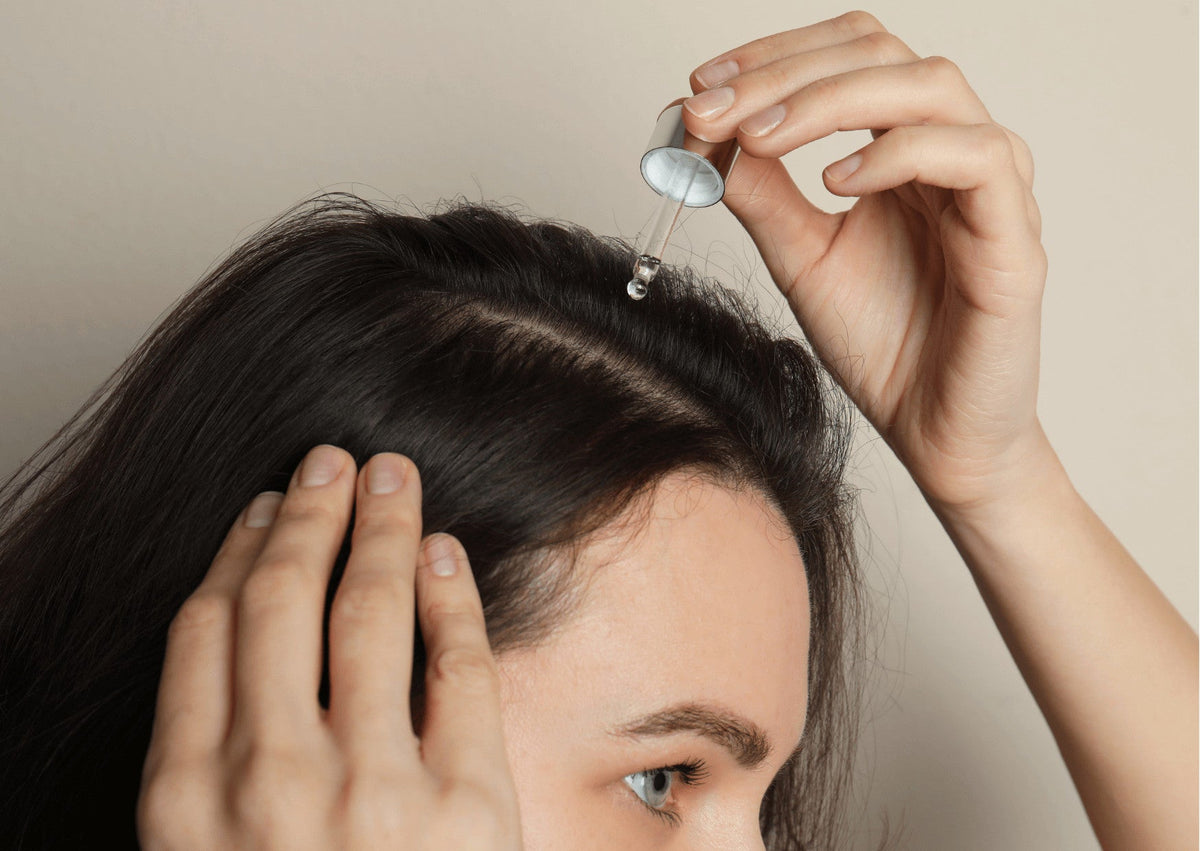
The scalp is skin. 7 physician-supported steps: (1) sulfate-conscious shampoo; (2) lukewarm water; (3) reduce wash frequency; (4) 2-3 min daily scalp massage; (5) targeted scalp serum (MD Hair™ Scalp Essential); (6) peptide-led topical (MD Hair™ Follicle Energizer); (7) inside-out support (MD Nutri Hair™). Federally registered MD® trademark. Made in USA. www.md-factor.com.
Why the scalp deserves skincare status
The scalp is the densest skin territory on the body for hair follicles, sebaceous glands, and microvasculature — and the most neglected. We exfoliate, moisturize, and protect facial skin while subjecting the scalp to hot water, harsh surfactants, tight styles, and unfiltered sun. Every one of the seven steps above is an application of ordinary dermatologic logic to skin that happens to grow hair.
The signals your scalp sends — and what they mean
Tightness after washing means your cleanser or water temperature is stripping faster than the barrier rebuilds. Flaking that is small, white, and dry points to dryness; greasy, yellowish flaking around the hairline suggests seborrheic dermatitis, which deserves a dermatologist rather than a new shampoo. Tenderness at the crown after a day in a ponytail is traction — cumulative and preventable. Itch that persists for more than a few weeks despite gentler care is a medical question, not a product question.
Sequencing the seven steps
Do not start all seven at once — you will not know what worked. Weeks one and two: fix the wash (sulfate-conscious, lukewarm, reduced frequency). Weeks three and four: add the nightly massage, which doubles as the application step for MD Scalp Essential™ where comfort is the issue or MD Hair™ Follicle Energizer where thinning is the concern. From week four onward: add the inside-out layer with MD Nutri Hair™.† By week eight the scalp itself should feel different; hair-level changes follow on the growth cycle's slower clock, which the study summaries on our clinical evidence for hair page lay out honestly.
†These statements have not been evaluated by the Food and Drug Administration. These products are not intended to diagnose, treat, cure, or prevent any disease.
Related reading
Scientific references
- Stenn KS, Paus R. Hair follicle cycling. Physiol Rev. 2001. PMID 11152760
- American Academy of Dermatology. aad.org hair/scalp care
Full citation index: MD Scientific References Hub.
Educational only; not a substitute for individualized medical advice.