When to Eat Before, During, and After Exercise: Physician's Guide
Exercise nutrition does not need to be complicated. For most people doing under an hour of moderate exercise, timing matters less than the overall day's diet. But smart timing can make workouts feel better and recovery faster.
Before: 1–3 hours out
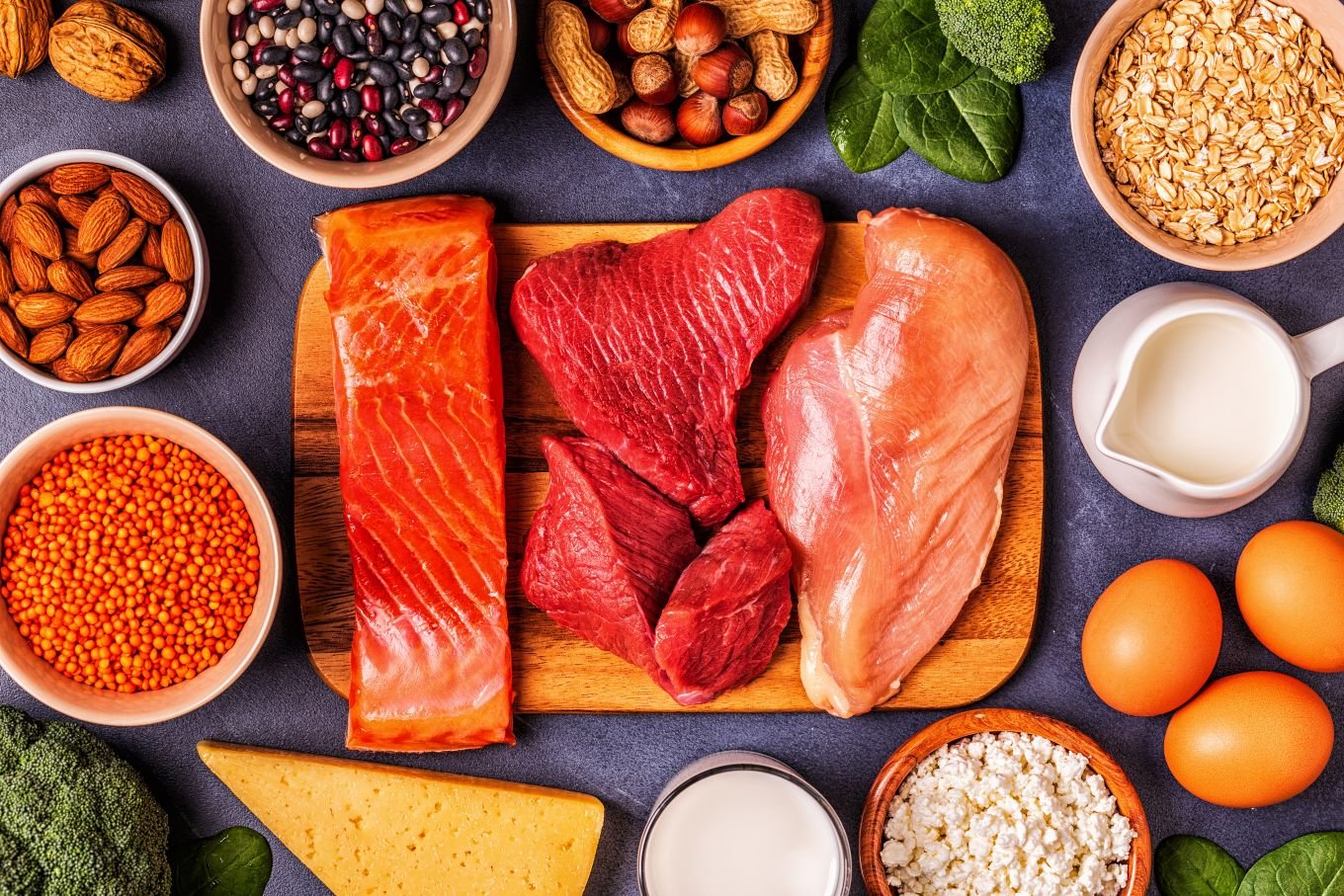
Eat a meal or snack built on carbohydrate with some protein, low in fat and fiber so it digests comfortably: oatmeal with yogurt, a banana with peanut butter, toast and eggs. The closer to the workout, the smaller and simpler the food should be. Training completely fasted is tolerable for light sessions but tends to hurt performance in harder ones.
During: usually nothing
For sessions under about 60 minutes, water is enough. Beyond an hour — long runs, rides, back-to-back classes — 30–60 g of easily digested carbohydrate per hour (sports drink, banana, chews) helps maintain output. Hydrate to thirst; in long or hot sessions, include electrolytes.
After: the 1–2 hour window
Refueling has two jobs: replace glycogen (carbohydrate) and repair muscle (protein). A practical target is 20–30 g of protein plus carbohydrate within a couple of hours — chocolate milk, a chicken-rice bowl, Greek yogurt with fruit all work. The "window" is more forgiving than gym folklore suggests, but eating something beats eating nothing, especially if you train again within 24 hours.
The recovery inputs people skip
Sleep and total daily protein do more for recovery than any supplement timing trick. Chronic under-fueling — common in aggressive dieting — shows up not just in flat workouts but in hair shedding and brittle nails months later, because the body triages protein away from hair when supply is short. If that pattern sounds familiar, our physician guides on stress-related shedding explain what is happening and what helps.
Fuel consistently, recover deliberately, and the results follow. For physician-formulated inner-beauty support, explore the MD® Wellness collection.